

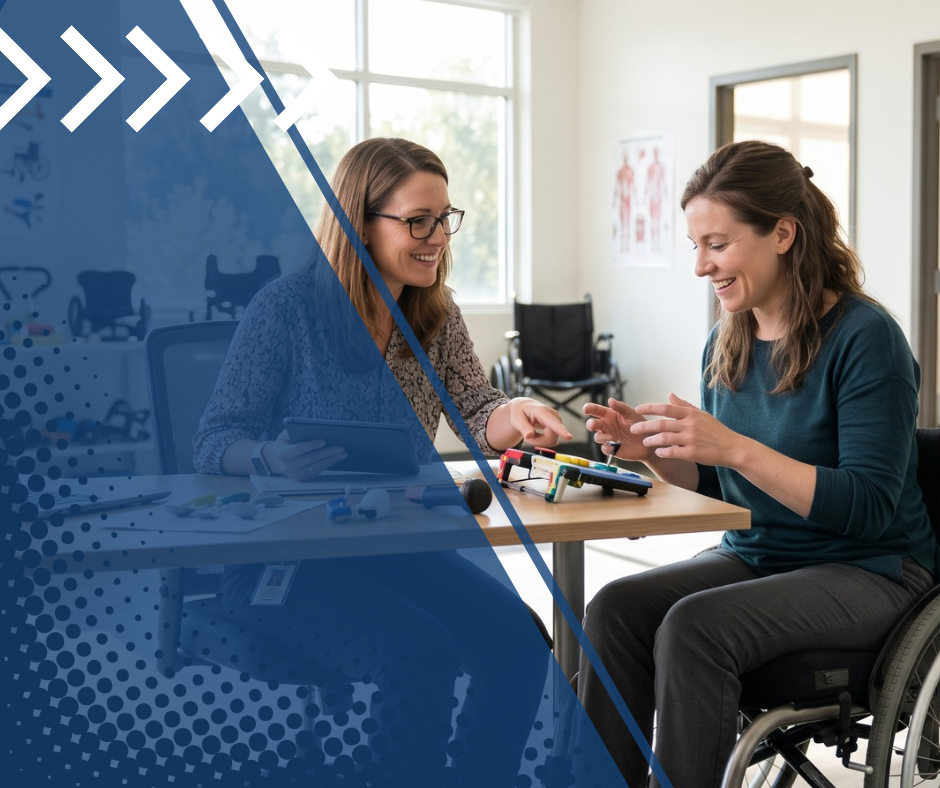
To calculate reasonable and necessary criteria for equipment claims, participants and their clinical teams must systematically benchmark every requested assistive technology item against Section 34 of the NDIS Act. Securing approval for specialised equipment from powered mobility devices and specialised seating to complex sensory aids demands far more than a simple product brochure or quote. By understanding how the National Disability Insurance Agency (NDIA) objectively weighs cost versus functional benefit, you can build an airtight equipment request that avoids lengthy delays or unexpected funding rejections.

Navigating assistive technology claims requires breaking down legal standards into practical, measurable milestones. Here is an evidence-backed framework to help you evaluate your equipment needs and substantiate every dollar requested from your Capital or Core budget.
The Assessment Matrix to Calculate Reasonable and Necessary Criteria for Equipment Claims
Learning how to calculate reasonable and necessary criteria for equipment claims begins with auditing your item against the six statutory pillars applied by NDIA delegates:
| Statutory Criterion | Practical Application | Essential Documentation Needed |
| Disability-Related Need | Direct nexus to the participant’s functional impairment | Formal diagnosis reports and specialist clinical assessments |
| Value for Money | Demonstrates the equipment is cost-effective over its lifecycle | Comparative trial evaluations of lower-cost alternatives |
| Effective & Beneficial | Evidence that the device achieves stated functional goals | Objective trial outcomes and standardised metric scores |
| Mainstream Demarcation | Proves the item is not a clinical health or educational responsibility | Evidence distinguishing daily living aid from clinical treatment |
3 Pillars to Build a Flawless Equipment Case
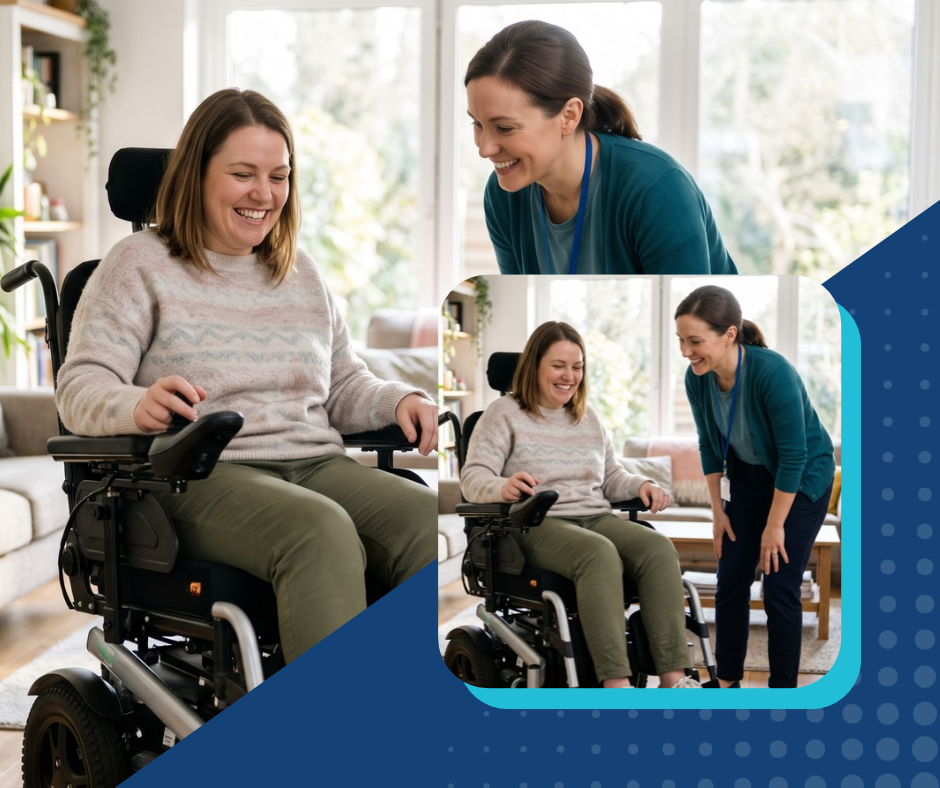
When preparing your assistive technology submission, apply these three core steps to ensure your funding request meets every standard:
1. Conduct and Document Practical Equipment Trials
The NDIA expects proof that lower-cost options were tested and ruled out for legitimate clinical reasons. Work with an Occupational Therapist or Physiotherapist to trial multiple models in your real-world environment, documenting precisely why cheaper models failed to meet your safety or postural requirements.
2. Calculate Total Lifecycle Value over Upfront Price
A higher initial purchase price is often justified if it eliminates recurring repairs, reduces future support worker hours, or prevents secondary physical complications. Frame your clinical justification around long-term cost containment rather than short-term price tags alone.
3. Establish Clear Boundaries from Mainstream Health
Items that serve a purely clinical or rehabilitative purpose (such as hospital beds during acute recovery or post-surgery orthotics) belong to the mainstream healthcare system. Ensure your therapist’s report highlights daily functional independence at home and in the community rather than medical convalescence.
Integrating Equipment Claims into Your Broader NDIS Roadmap
Securing capital equipment works in tandem with proactive ongoing plan management:
-
- Adapting to New Needs: If a decline in functional capacity necessitates urgent new equipment, discover how to manage NDIS plan changes when your personal circumstances shift.
-
- Targeting Autonomy: Pair your assistive equipment with therapeutic skill-building by learning how to use Capacity Building funds to gain daily life independence.
-
- Managing Transport Modifications: If your assistive technology includes vehicle adaptations or accessible transit gear, ensure your claims align with guidelines on how to safeguard NDIS travel effortlessly.
How Permalink Plan Management Streamlines Your Capital Equipment
At Permalink Plan Management, we take the complexity out of assistive technology payments.
Once your equipment funding is approved, our dedicated team verifies supplier quotes, cross-checks invoices against NDIA pricing limits, and processes payments directly to equipment suppliers without delay. We monitor your Capital balance transparently, giving you total confidence as you invest in the tools you need for daily life.
Ready to Claim Your Essential Assistive Technology?
Get the equipment you need with zero administrative hassle. Partner with Permalink Plan Management for seamless invoice handling and clear financial tracking!
Furthermore, learn more about our services today!
You can also Follow us on social media for updates, success stories, and more!
 Coming Next Week: How to Handle NDIS Provider Cancellation Fees Without Ruining Your Budget
 Recommended for You:
Last Week’s Feature: How to Request Emergency or Respite Supports in Your NDIS Budget
Deep Dive: How to Safely Reallocate Unspent NDIS Funds Before Plan Review
NDIS Tips: How to Maximise Core Supports to Build a Flexible Daily Care Schedule